About

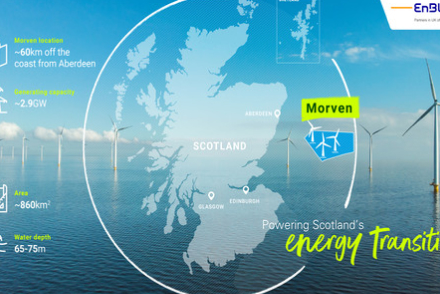
The Morven wind farm is named after a mountain situated in the beautiful hills of Aberdeenshire, Scotland. The name derives from the Scottish Gaelic terms “Mhor” and “bheinn” meaning ‘big’ and ‘peak’, symbolic of the scale of opportunity represented by EnBW and JERA Nex bp’s latest offshore wind project.
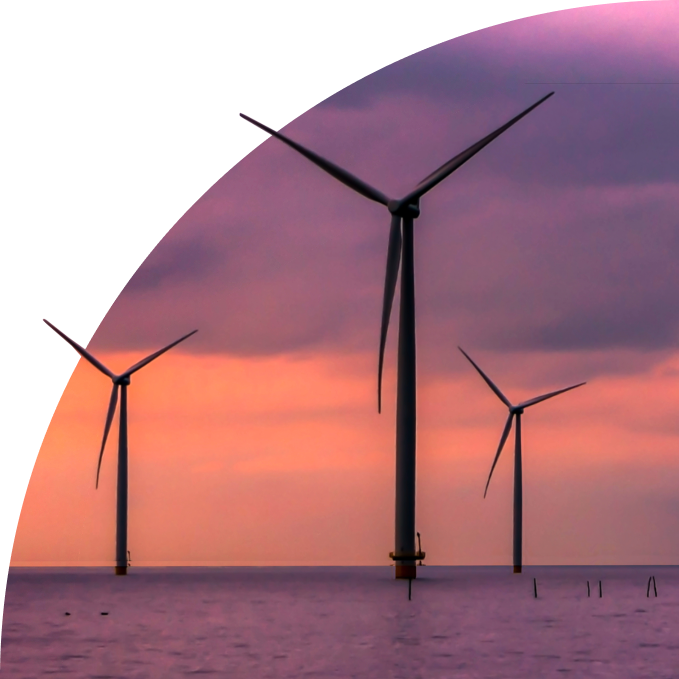
Three offshore wind turbines in the sea at sunset with purple and orange sky
Image for illustration purposes only

Why we need offshore wind

Climate change is one of the biggest challenges the world faces. It is affecting countries around the world and we all have a role to play to help combat it.

Offshore wind, along with other energy sources, is important to meet both net zero and energy security objectives. The UK is already a world leader in offshore wind, and the seas around Britain are ideal for harnessing wind power. The UK Government’s net zero ambitions recognise the important role that offshore wind can play in the energy transition.

This project can play an important part in the energy transition by:
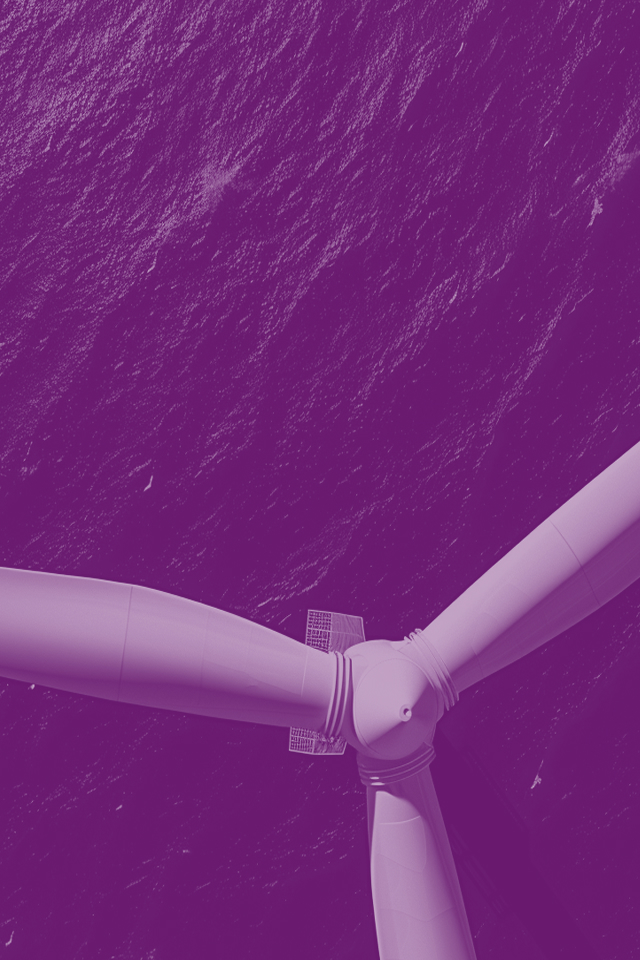
Generating low carbon electricity from an offshore wind farm in support of the decarbonisation and security of the Scottish and UK electricity supply.
Aerial view of white offshore wind turbine hub and blades from above, showing the three-blade rotor assembly against dark blue ocean water with visible wave patterns
Optimising generation capacity within the constraints of available sites and grid infrastructure.
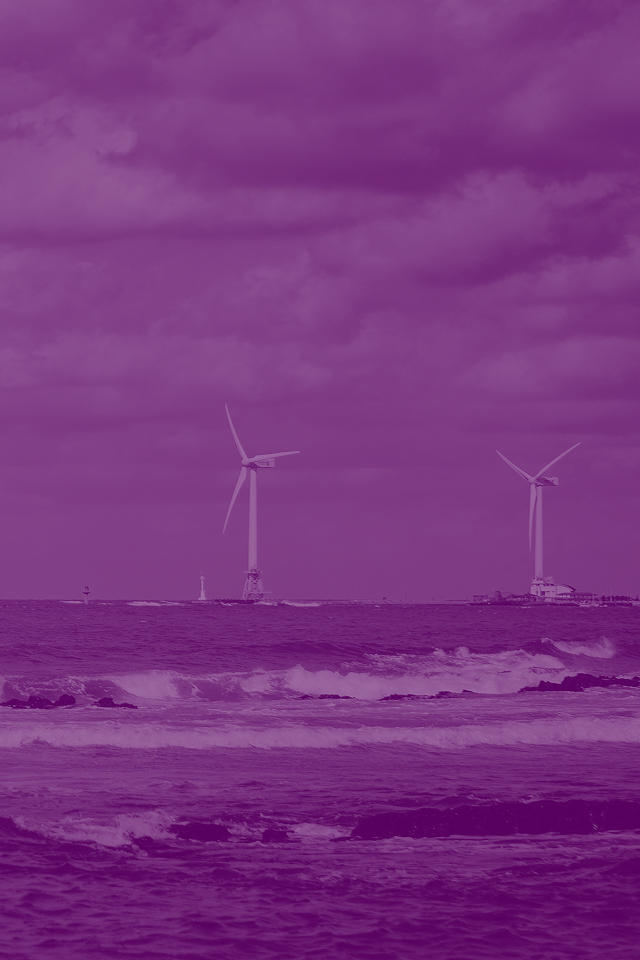
Two white offshore wind turbines standing in ocean water beyond rocky shoreline with waves breaking on dark rocks, under partly cloudy blue sky with construction or service vessels visible near the turbines
Delivering a significant volume of offshore wind in support of the UK Government's net zero by 2050 target.
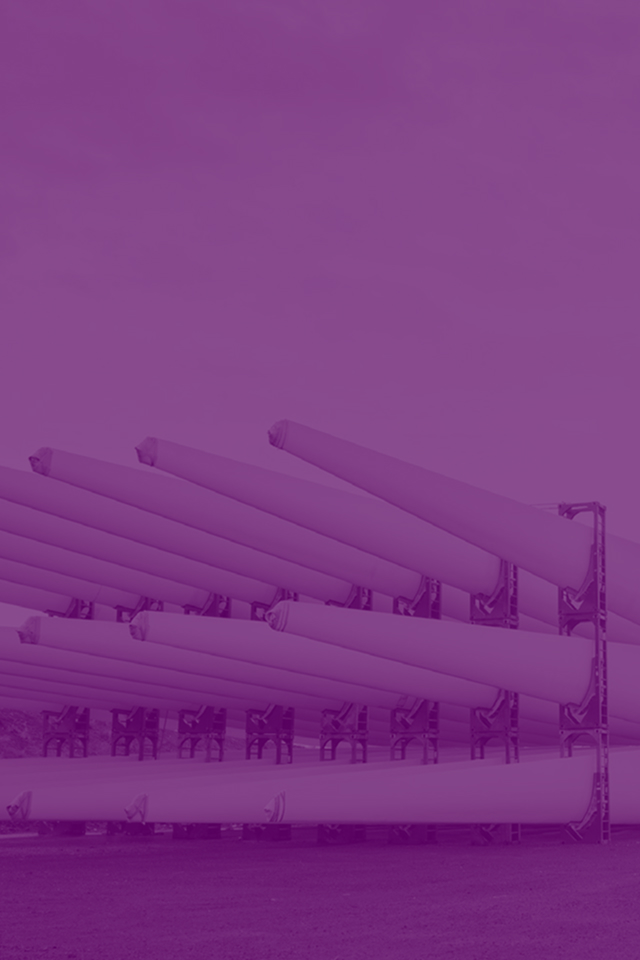
Large white wind turbine blades stacked horizontally in blue racks at a storage facility under overcast sky
Co-existing and collaborating with other activities, developers and operators to enable the balance of different users.
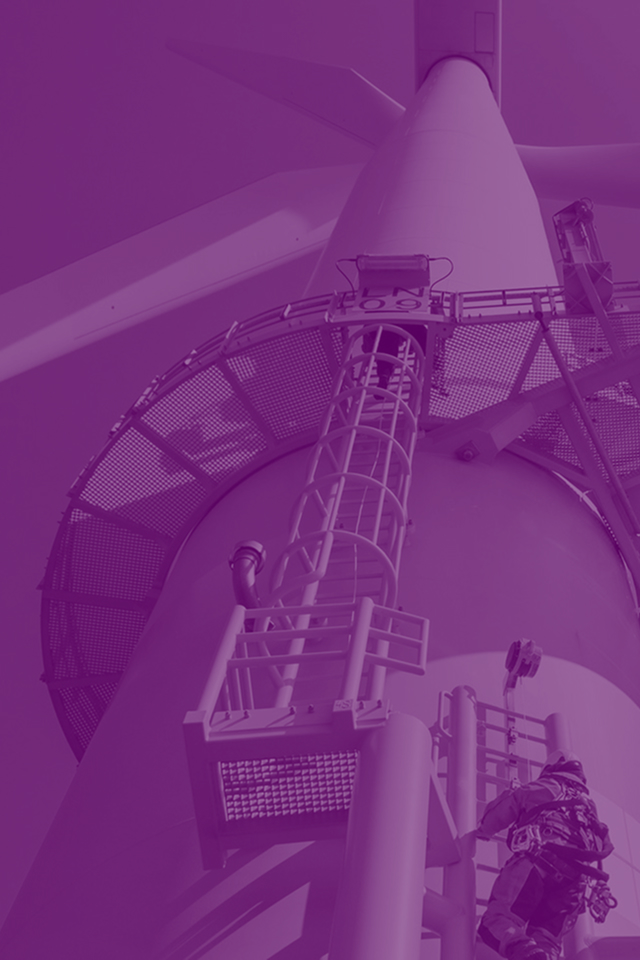
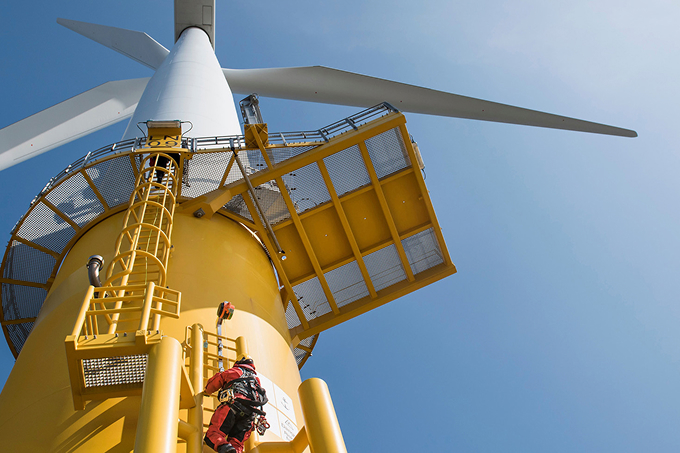
Technician in safety gear climbing maintenance ladder on offshore wind turbine tower with turbine blades in background

Images for illustration purposes only.
The project will also:

Contribute to achieving the aims of the UK's Energy Security Strategy.
Silhouettes of offshore wind turbines against purple and pink sunset over calm ocean
Contribute to the local, regional and national economy by providing substantial investment, as well as employment and new infrastructure during all phases of the project.
Aerial view of white offshore wind turbine blades over dark green ocean with waves and foam
Continue to drive technology and development costs down to provide low-cost energy to consumers and provide community benefits.
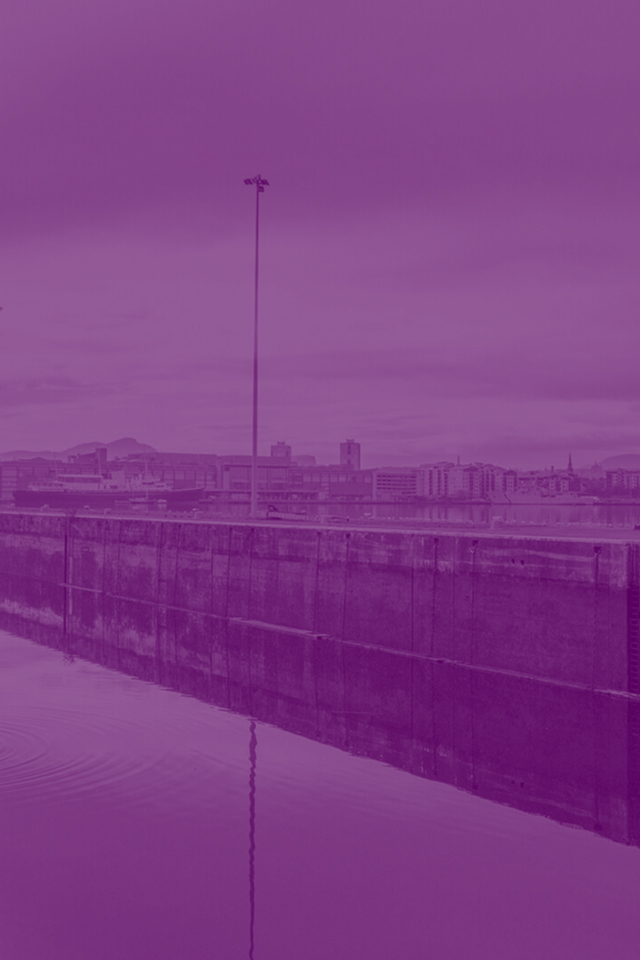
Meteorological mast with weather instruments on a concrete harbor wall overlooking urban waterfront under cloudy sky
Align with the key drivers in current and planned updates to national policy in Scotland and the UK.
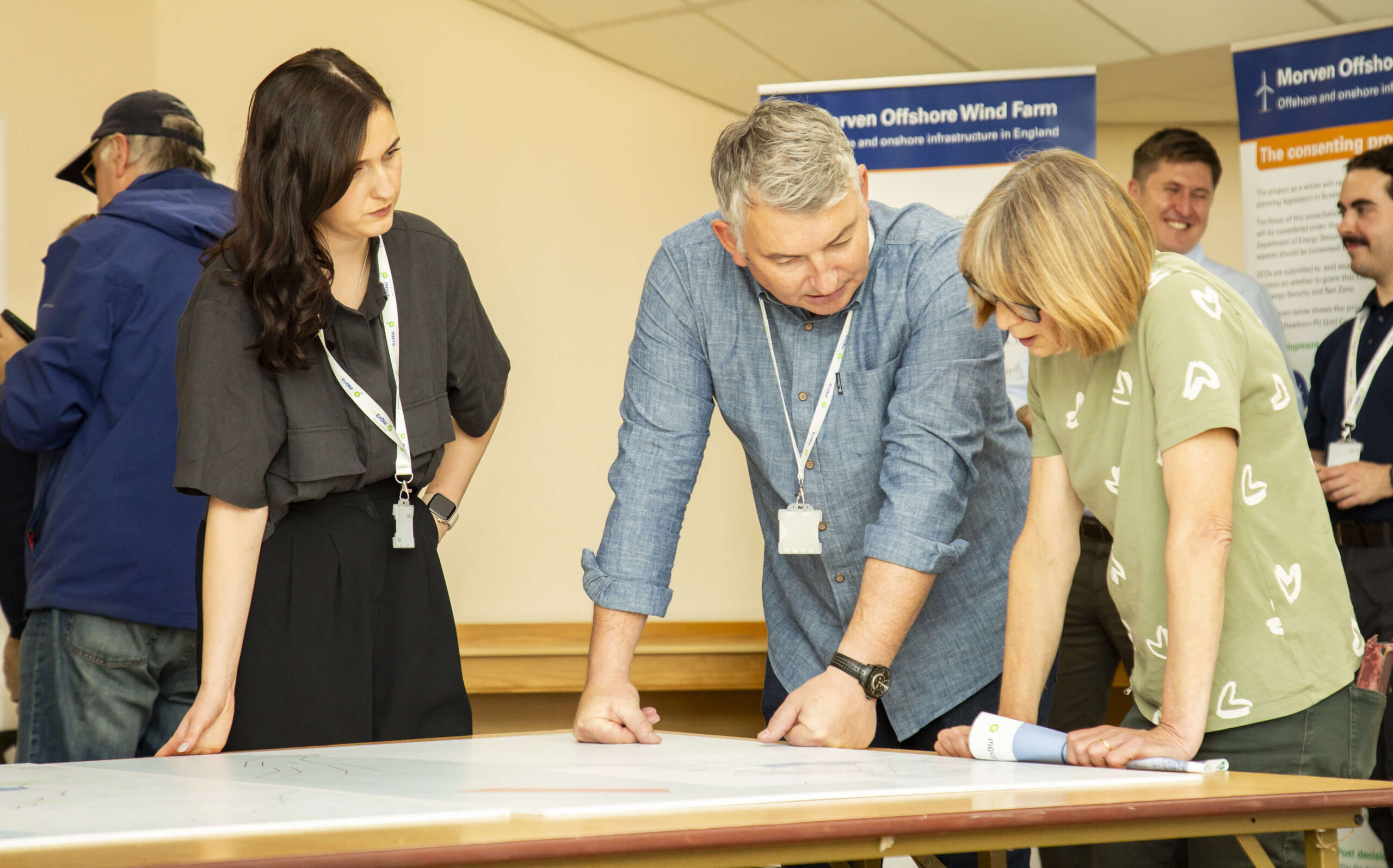
Three men examining an offshore wind development map showing zones of search and cable corridors at a public event

Images for illustration purposes only.
What is net zero?

Greenhouse gases such as carbon dioxide (CO₂) and methane are created when we burn fossil fuels, such as oil, gas or coal. These gases are trapped in the atmosphere.

Net zero means no longer adding to the total amount of greenhouse gas emissions in the atmosphere. One way to do this is to move towards technologies like renewable energy, that have lower carbon emissions.

How does the electricity get from the wind farm to homes and businesses?

Electricity generated from offshore wind farms are transmitted to the electricity transmission network (“the grid”) using offshore cables. When they’re offshore, these cables are typically buried in the seabed and once they reach the shore they are usually buried underground.
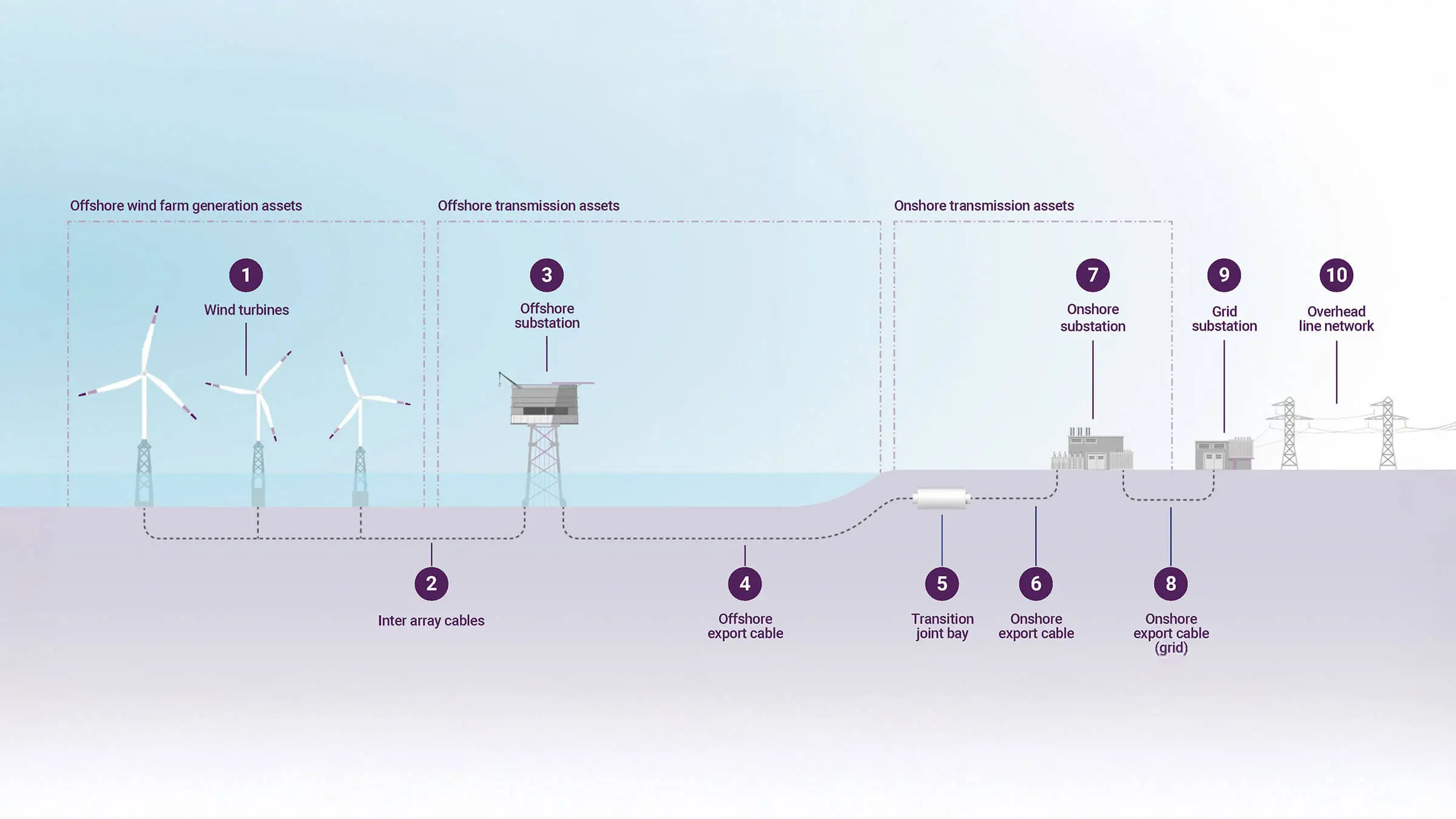
Graphic for illustration purposes only